

Graduate Style Guide: Men's Suits & Professional Wear
Graduation is a huge milestone. You’ve finished one chapter, and now you’re stepping into a new one — job interviews, networking events, first jobs, internships, and everyday adult life. And somewhere in the middle of all that, one question starts to show up:
How am I supposed to dress now?
You don't want to go all out wearing three piece suits everywhere but at the same time, the go-to jeans and hoodie combo becomes more and more uncomfortable by the day.
The goal is simple: look confident, feel comfortable, and dress in a way that fits your life now.
This guide breaks down how to wear a suit, how to dress casually without looking sloppy, and how to find a personal style that actually feels like you.
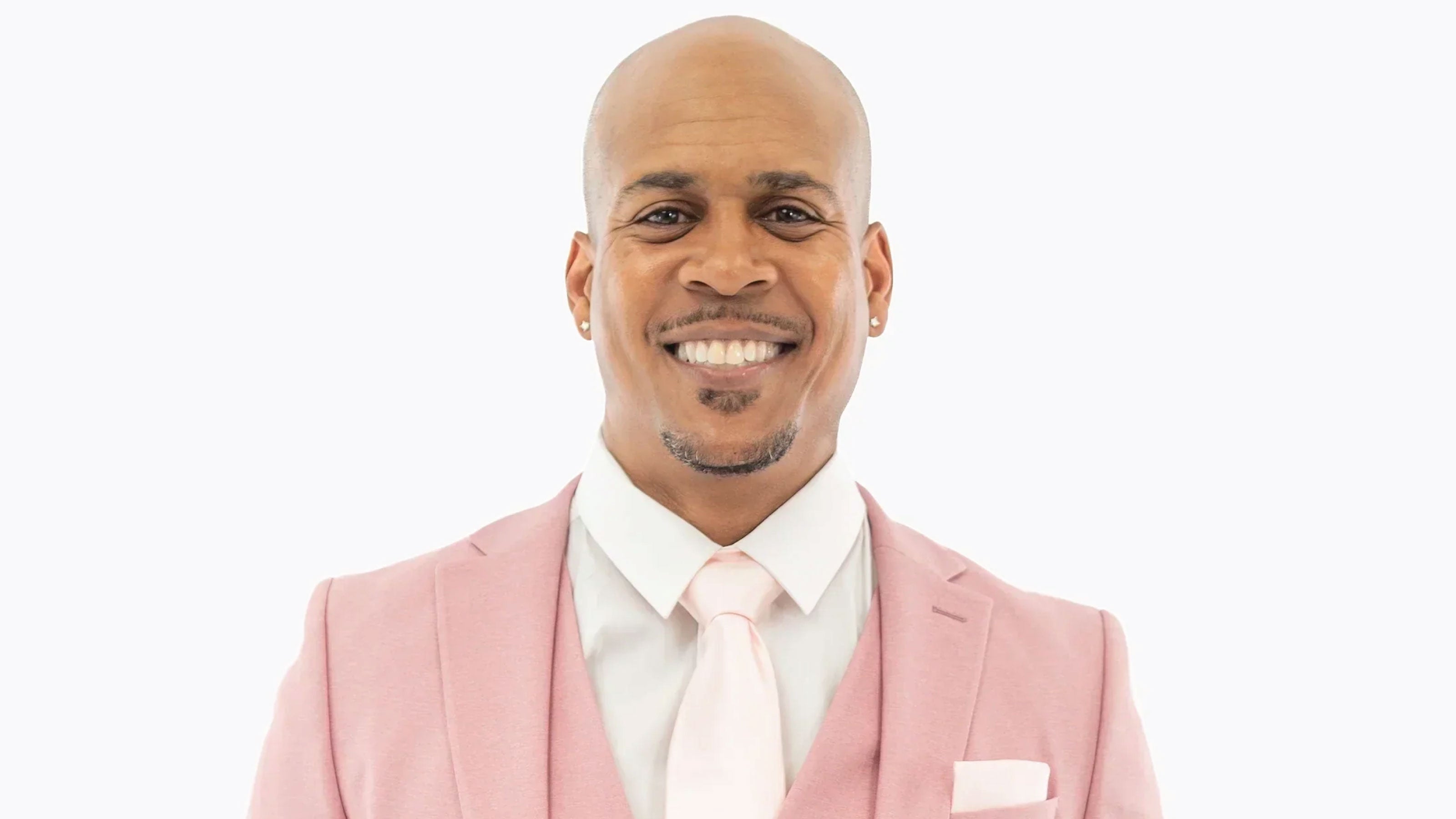
 Federico | 2-Piece Tailored-Fit Suit
1. Start With the Shift: You’re Dressing for the Life You Want
After graduation, your wardrobe starts doing more work for you. Clothes are no longer just about comfort or convenience. They become part of your resume and can matter even more when it comes to first impressions and impulse decisions.
This does not mean you need a closet full of expensive clothes. Building your wardrobe is an investment in yourself; this means intentional choices and sticking to what calls to you, not whatever trend is popping off at the time.
A strong post-grad wardrobe should help you handle:
- job interviews
- networking events
- office days
- dates or dinners
- weddings and formal occasions
- casual weekends
- everyday errands without looking underdressed
The best style move you can make after graduation is to stop chasing random trends and start building a wardrobe with purpose.
 Hugo | Ash Gray 3-Piece Tailored-Fit Suit
2. How to Wear a Suit Without Looking Stiff or Overdressed
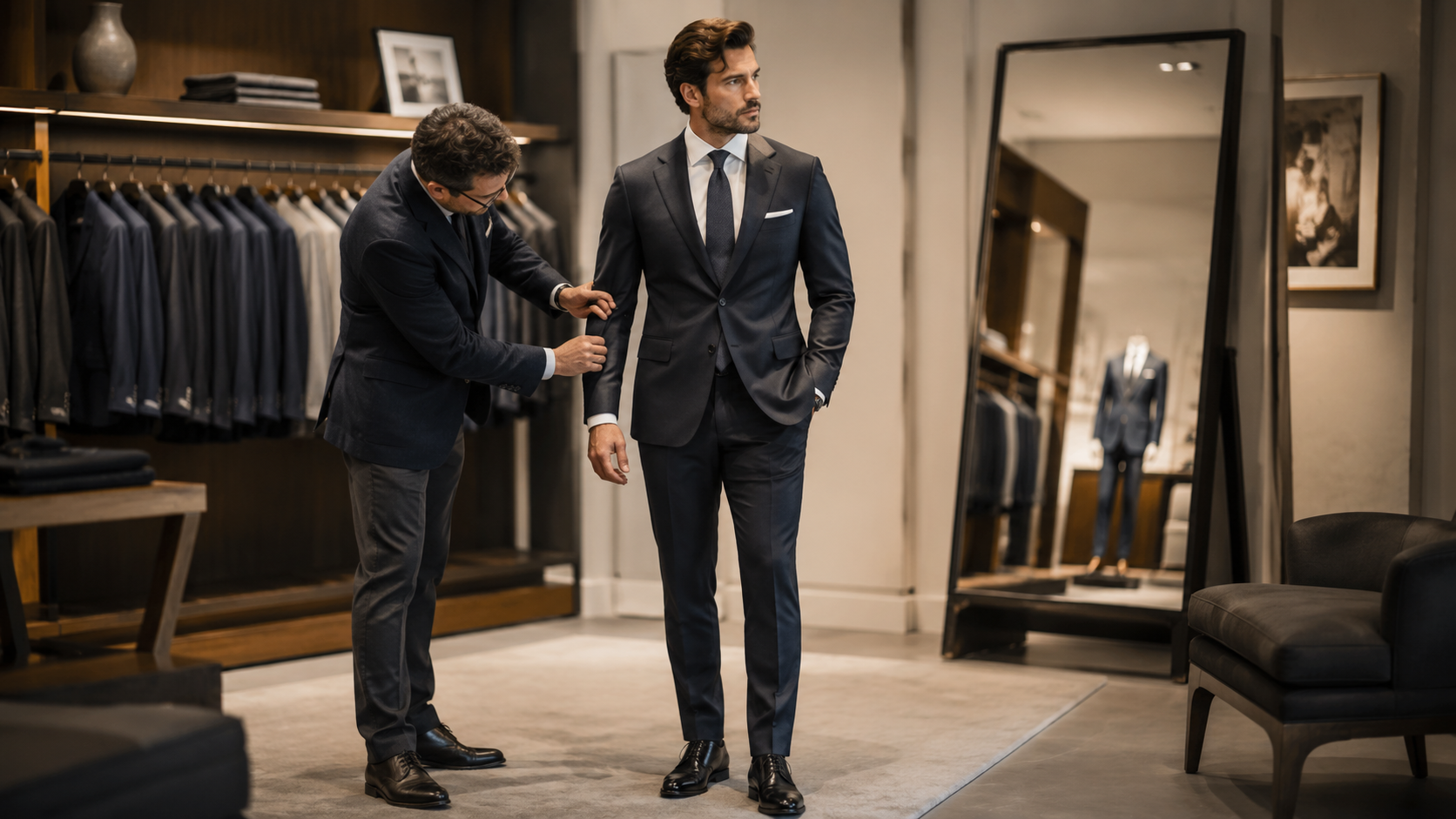
After years of wearing shorts and slides to class, the idea of wearing a suit can seem uncomfortable. That said, when you've been properly fitted and your suit has been tailored to your body-- you'll find there's no better feeling than a well made suit.
The secret to wearing a suit well is not about looking flashy. It is about fit, simplicity, and confidence.
Focus on Fit First
Assuming it feels good on your skin, fit matters infinitely more than the price of the fabric.
Pay attention to:
- shoulders that sit correctly
- sleeves that do not swallow your hands
- pants with a clean break or slight taper
- a jacket that buttons comfortably without pulling
ALWAYS, get your suit tailored. The cost of tailoring is a small price to pay for ensuring the clothes fit YOU and not the other way around.
Stick to Classic Colors
For your first suit, keep it simple. The most versatile colors are:
- navy
- charcoal gray
- light gray
These colors work across interviews, weddings, and professional environments. A black suit can fit any occasion but are better saved for more serious, somber events or when the dress code requires.
What to Wear With It
A suit looks best when the rest of the outfit is just as intentional:
- crisp white or light blue shirt (off white works well too depending on the color)
- clean dress shoes (brown or black)
- simple belt that matches the shoes
- minimal accessories
- tie if the occasion calls for it
The world is loud enough, you do not need louder patterns or trendy details to stand out. Clean and sharp always wins.
Make It Feel Modern
It's easy to confuse "wearing a suit" with "playing dress up" and come out looking like a worse looking version of your dad but this is not "how it's supposed to look."
- choose a slimmer, modern fit
- skip the tie in less formal settings
- pair the blazer with separate trousers or dark jeans in some situations
- keep grooming clean and simple
A suit should make you feel polished, not uncomfortable.
 Dutch | Chocolate Double-Breasted 2-Piece Tailored-Fit Suit
3. How to Dress Casual Without Looking Like You Just Rolled Out of Bed
The line between relaxed and sloppy is very thin but easily avoidable. In college, hoodies and joggers might have worked everywhere but no longer.
Now, the best casual outfits are built around basics that fit well and layer easily.
Build Around Clean Essentials
A great casual wardrobe usually includes:
- plain fitted T-shirts
- polos
- button-down shirts
- dark jeans
- chinos
- clean sneakers
- overshirts or lightweight jackets
- knit sweaters or crewnecks
These pieces are simple, but when they fit properly and work together, they make you look put together without trying too hard.
Upgrade the Fit
One of the easiest ways to improve your casual style is to stop wearing clothes that are too baggy, too tight, or too worn out. Better casual style usually comes down to:
- shirts that sit well on the shoulders
- pants with a cleaner shape
- shoes that are clean and in good condition
- fewer graphics and loud logos
Casual does not mean careless. It means relaxed, clean, and confident.
Use Layers to Add Style
Layers make a basic outfit look more interesting. A plain T-shirt becomes better with:
- a denim jacket
- an overshirt
- a bomber jacket
- a cardigan
- a structured coat
This gives your outfit shape and makes it feel more mature. The silhouette of the outfit is incredibly important and layers help develop it without changing the overall fit.
Keep It Simple
You do not need to overcomplicate casual style. A strong casual outfit can be as simple as:
- white T-shirt
- dark jeans
- clean sneakers
- light jacket
The point is not to impress everyone. It is to look like you know what you are doing.
 Linen Blend Zip Leisure Suit (Black)
4. How to Find Your Personal Style After Graduation
This is where most people get stuck. They know they want to dress better, but they are not sure what their style actually is.
The truth is, personal style is not something you magically discover one day. It is something you build by paying attention to what fits your life, body, and personality.
Start With Your Lifestyle
Your style should match your real life, not an imaginary version of you.
Ask yourself:
- Do I work in a formal, creative, or casual environment?
- Do I go out often or keep things low-key?
- Do I want to look polished, minimal, edgy, relaxed, classic, or trendy?
- What clothes do I reach for most often?
The more honest you are, the easier it becomes to build a wardrobe that actually gets worn.
Notice What You Feel Good In
Style is not just about appearance. It is also about how you feel in your clothes.
Pay attention to:
- colors you naturally gravitate toward
- cuts that flatter your body
- outfits that make you feel confident
- pieces you wear repeatedly without thinking
Those patterns tell you more about your style than trends ever will.
Find Inspiration, Then Edit It
Look at people whose style you admire, but do not copy them piece for piece. Use inspiration to identify patterns and silhouettes:
- maybe you like neutral colors
- maybe you like tailored pieces
- maybe you prefer relaxed streetwear
- maybe you like classic menswear with casual touches
Take what works and leave what does not. Personal style is curated, not copied.
Build a Uniform
One of the easiest ways to develop style is to create a few go-to outfit formulas.
For example:
| Situation | Easy Outfit Formula |
|---|---|
| Interview or formal event | Navy suit + white shirt + dress shoes |
| Smart casual | Button-down + chinos + loafers or clean sneakers |
| Everyday casual | Fitted T-shirt + dark jeans + jacket |
| Social event | Knit polo + tailored pants + minimal sneakers |
When you have a few reliable formulas, getting dressed becomes easier and your style feels more consistent.

Linen Blend Zip Leisure Suit (Beige)
5. What to Avoid Post-Graduation
Style is not just about what to wear. It is also about what to leave behind.
A few common mistakes:
- wearing clothes fit
- relying too much on athletic wear for everyday outfits
- buying trendy pieces instead of versatile staples
- ignoring shoes
- wearing wrinkled, faded, or worn-out basics
- dressing for attention instead of authenticity
You do not need a massive wardrobe. You need a better one.
6. Confidence Is the Best Thing You Can Wear
The most stylish people are not always the ones wearing the most expensive clothes. They are usually the ones who look comfortable in what they are wearing.
That confidence comes from:
- knowing your clothes fit
- understanding the occasion
- keeping your outfit simple
- choosing pieces that reflect who you are
Post-graduation style is really about growing into yourself. You are not trying to look older overnight. You are learning how to present yourself with intention.
Final Thoughts
Dressing well after graduation does not mean reinventing yourself. It means upgrading the way you show up. Learn how to wear a suit for the moments that matter. Learn how to dress casually in a way that still looks sharp. And most importantly, take the time to figure out what style feels natural to you.
Start simple. Focus on fit. Buy with purpose. Wear what makes you feel confident.
Your style does not need to be perfect right away. It just needs to start feeling like the next version of you.

1 comment
Need more for the big fellows(250 plus)
Ron Caston
Leave a comment
This site is protected by hCaptcha and the hCaptcha Privacy Policy and Terms of Service apply.